The best free AI tools are locked behind node graphs
ComfyUI runs the strongest open image and video models on ordinary graphics cards, for free and privately. But it asks the user to wire graphs of nodes, pick checkpoints, and know which model, sampler and add-on fits which job. Most photographers, small studios and hobbyists stop there, and pay monthly for cloud tools instead, sending their photos to someone else's servers.
Plainbrush closes that gap
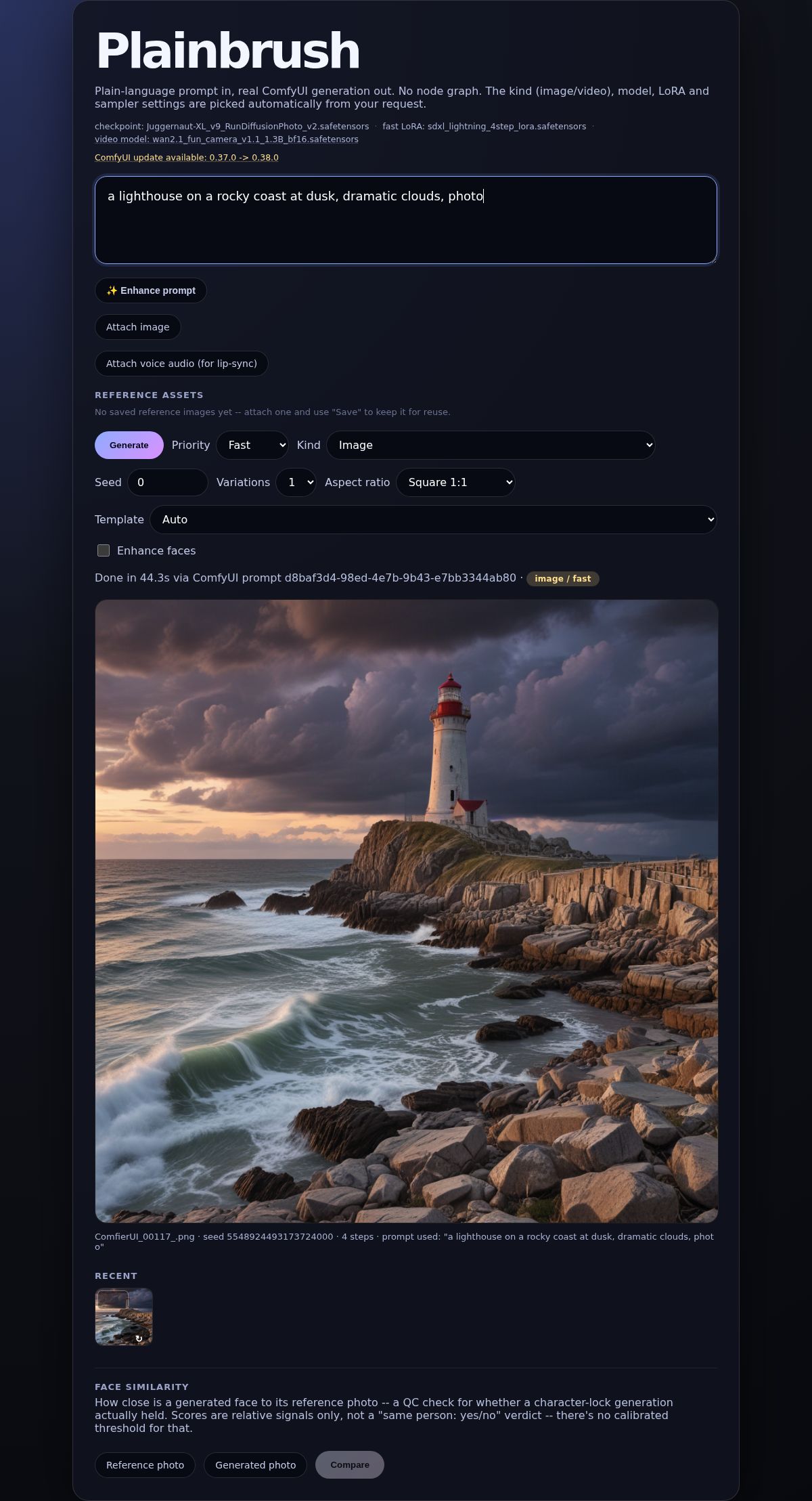
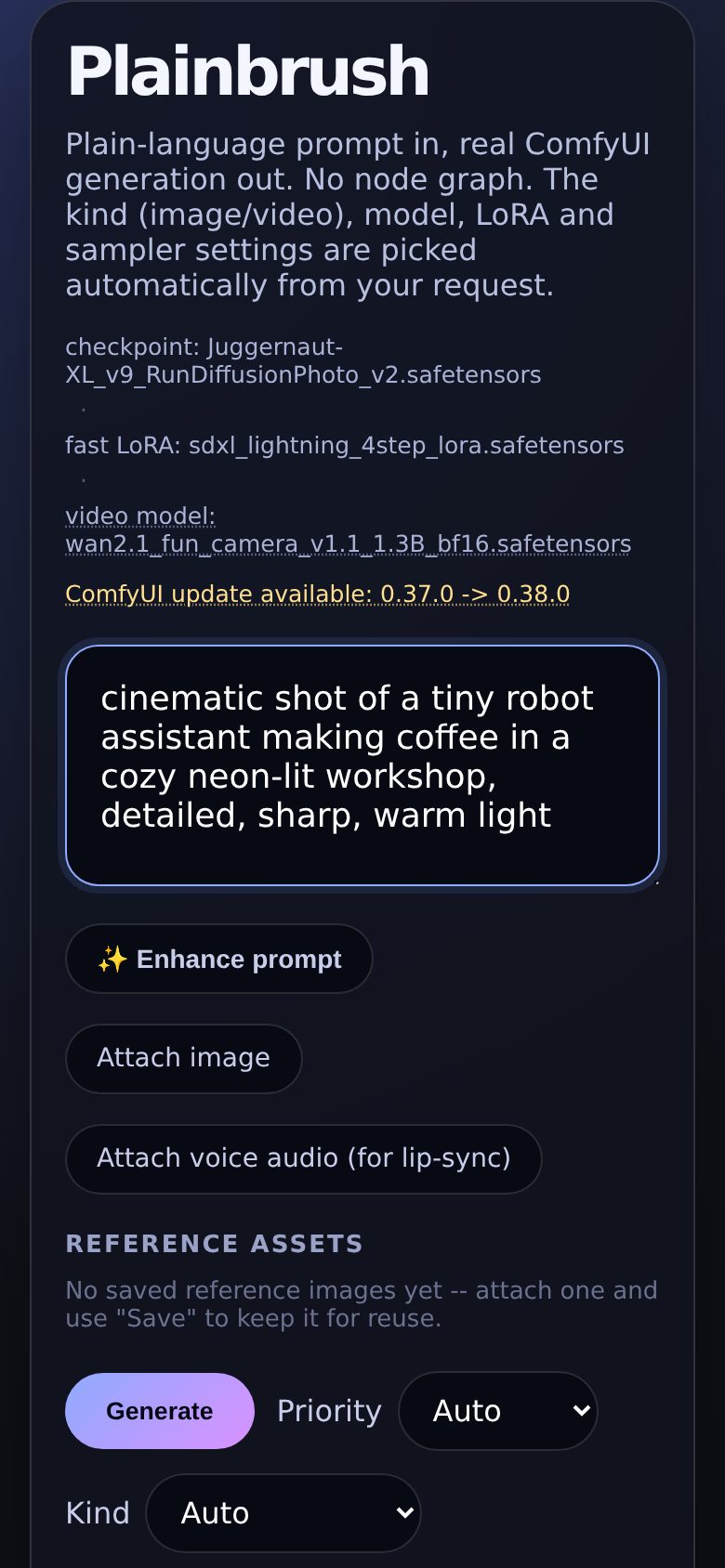
It reads the request, works out the kind of job (picture, edit, video, music), checks what the user's own ComfyUI has installed, picks and fills the right tested workflow, runs it, and checks the result before showing it. A manual template picker remains for experts.
A real screen recording, start to finish
Driving the real app and a real ComfyUI on an RTX 3060 (12 GB). Long waits are sped up and labelled with the real measured time; nothing here is staged or re-typed.
One sentence in, finished edit out
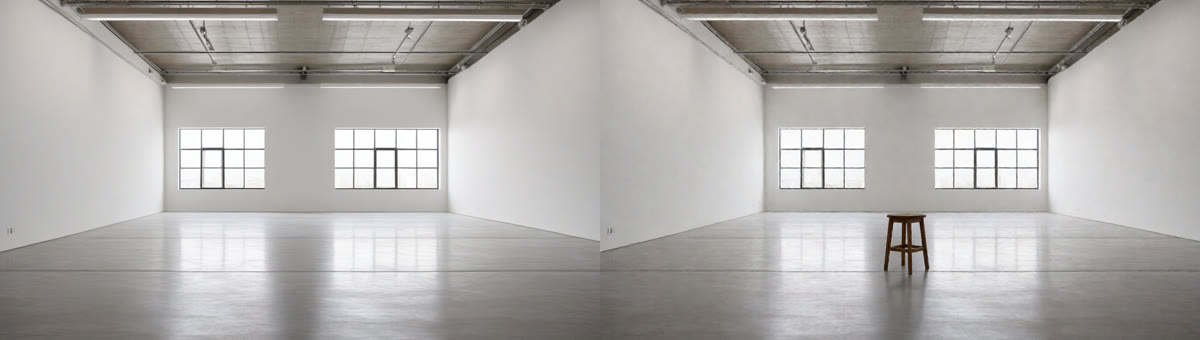
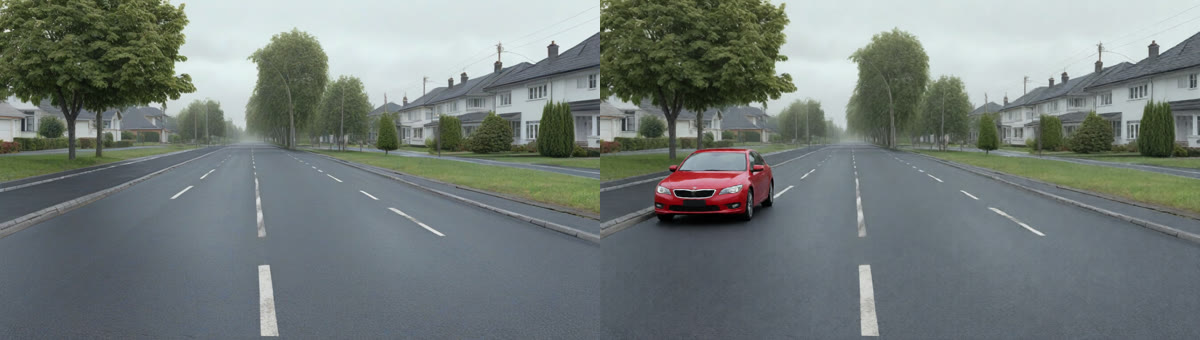
Every result below came from Plainbrush on a single RTX 3060 (12 GB), using only the words shown, with no masks, layers or node graphs. They are unretouched. We also ran relighting, style transfer, pasted objects and whole-scene animation; those outputs did not meet our bar yet, so they are not shown.
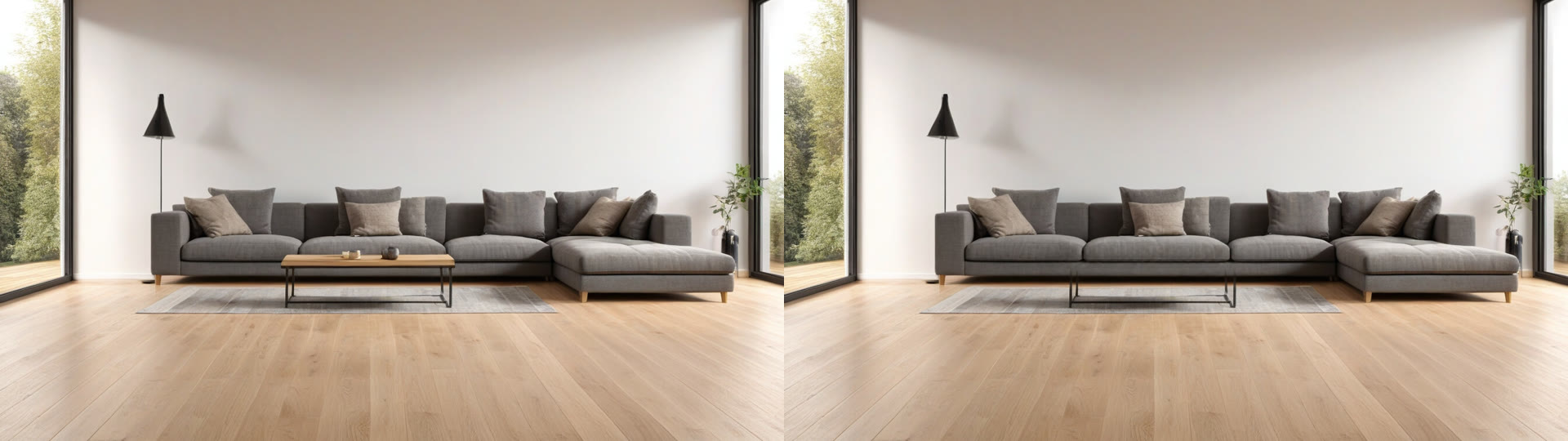
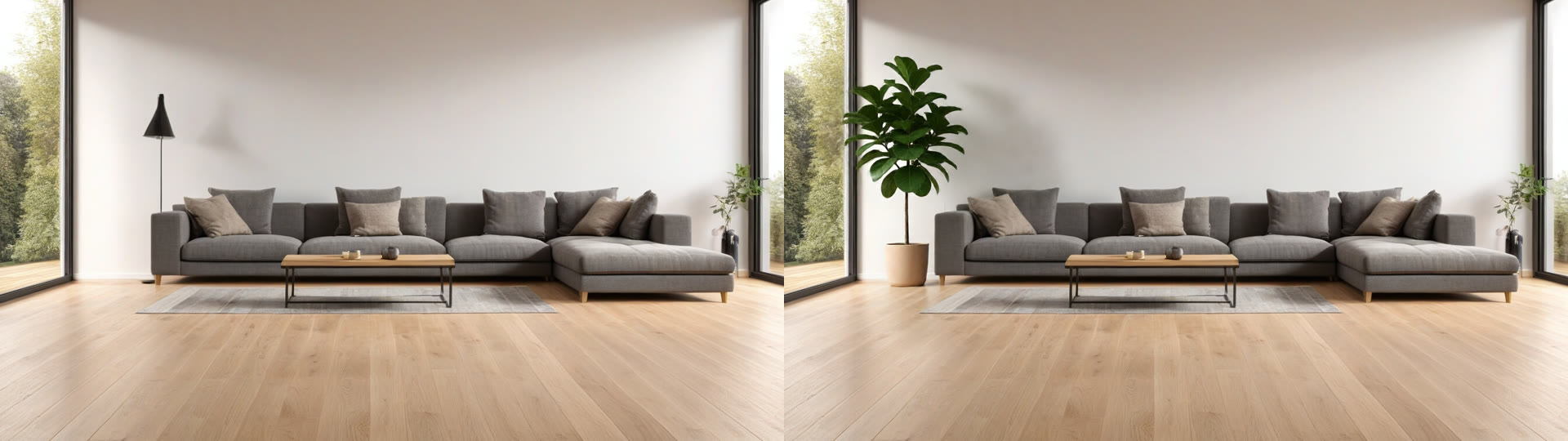
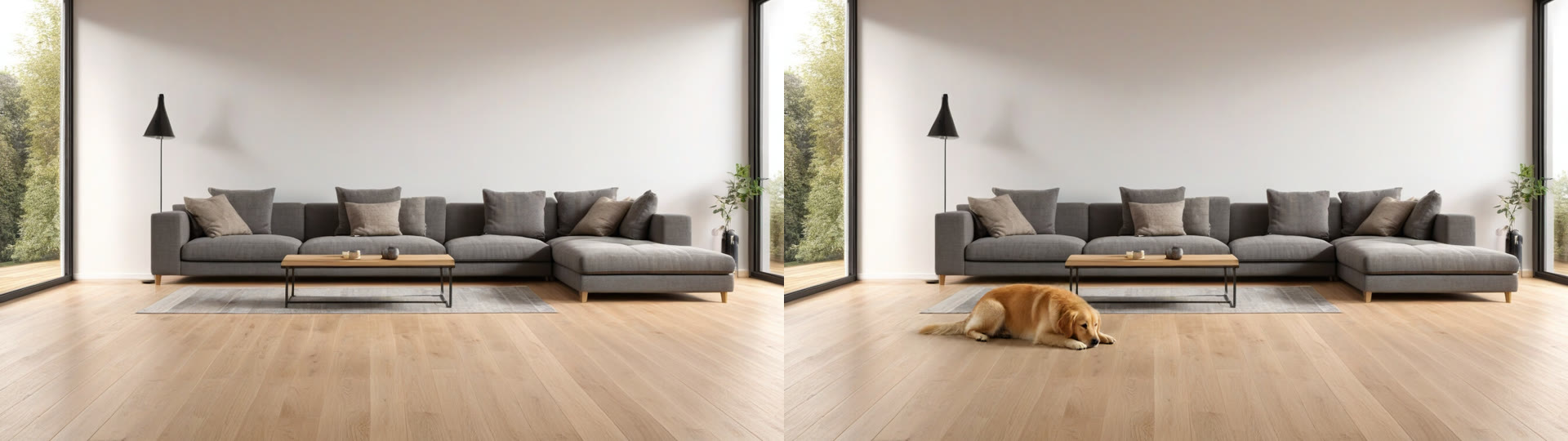
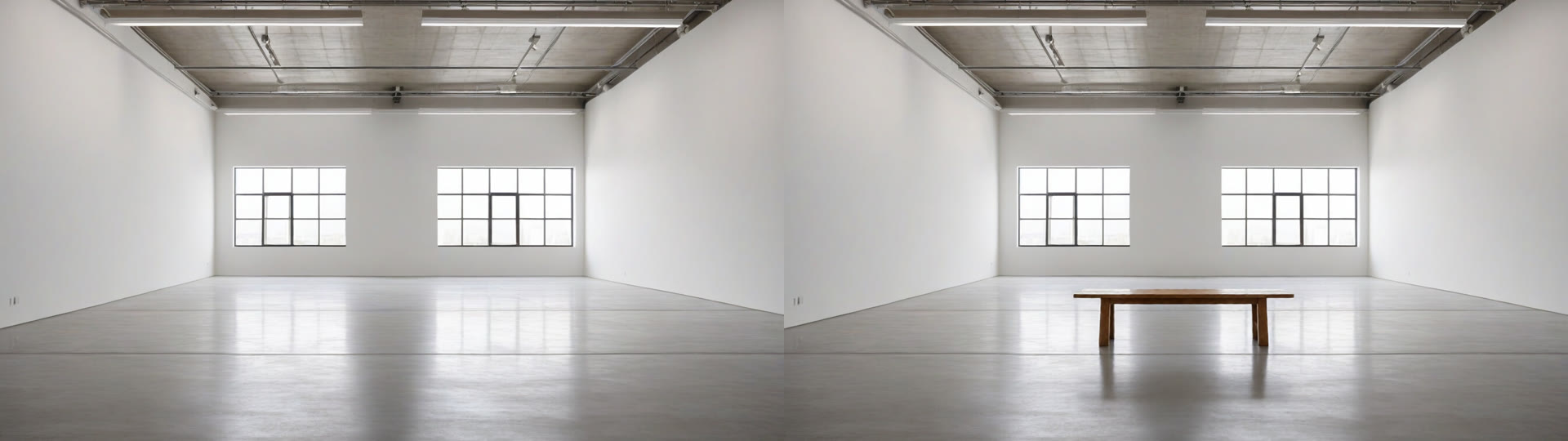
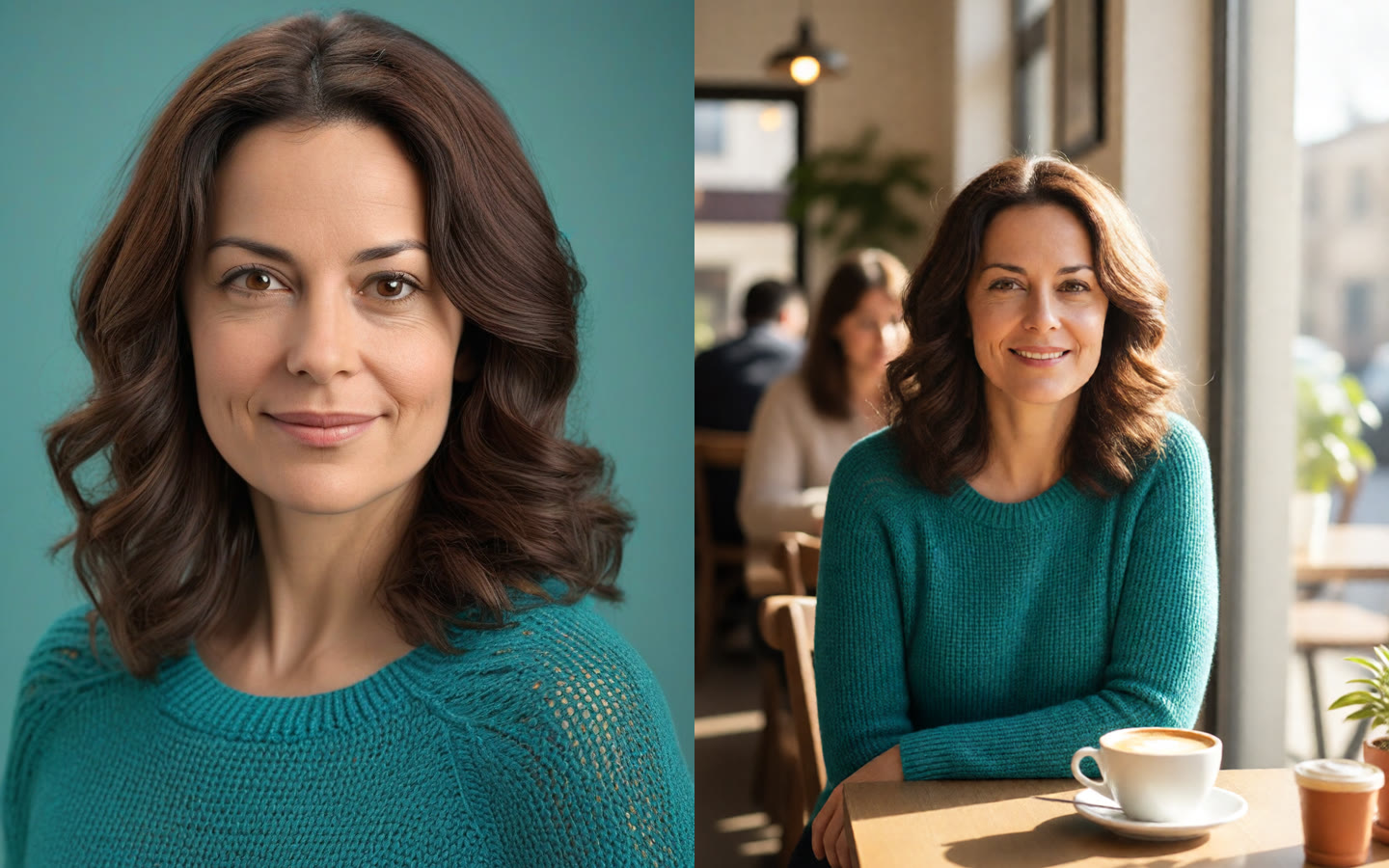
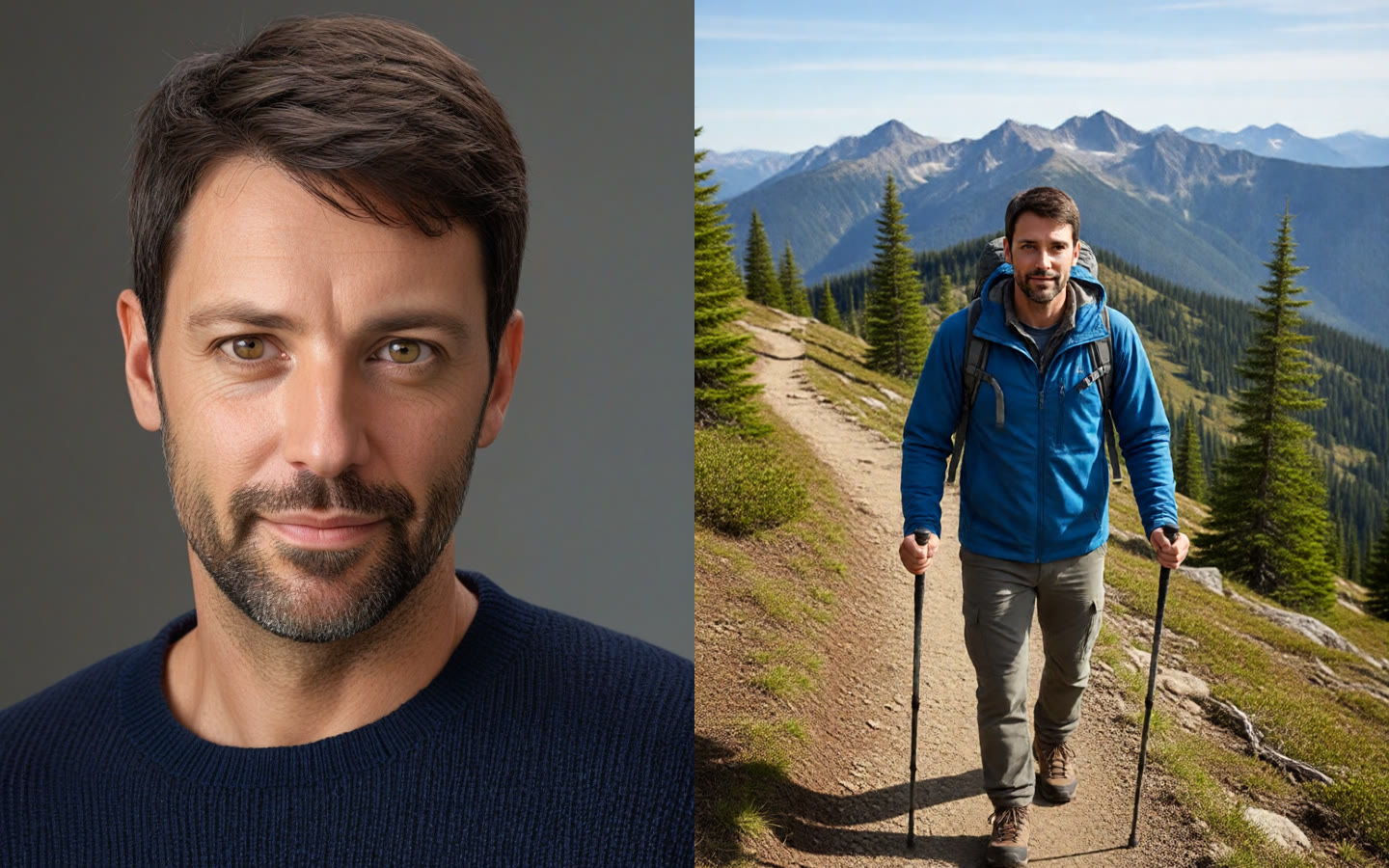
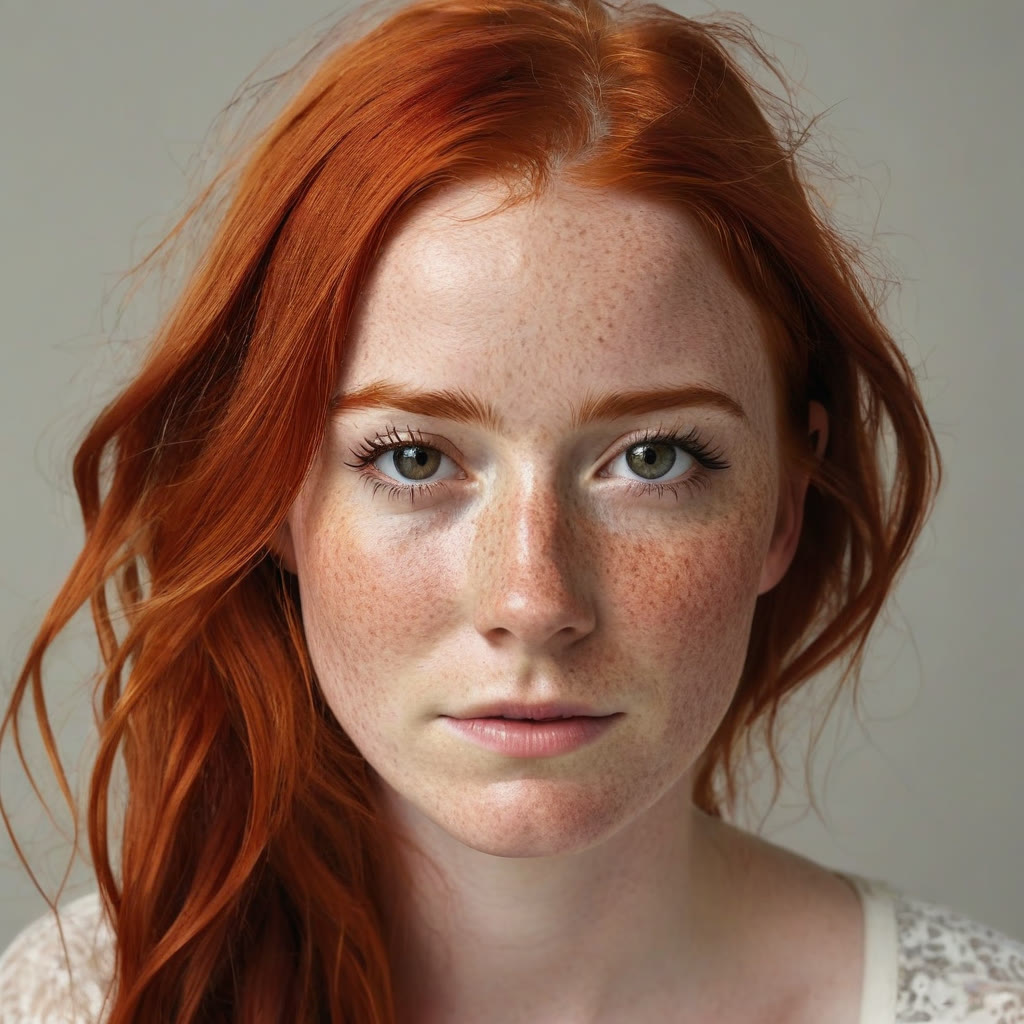
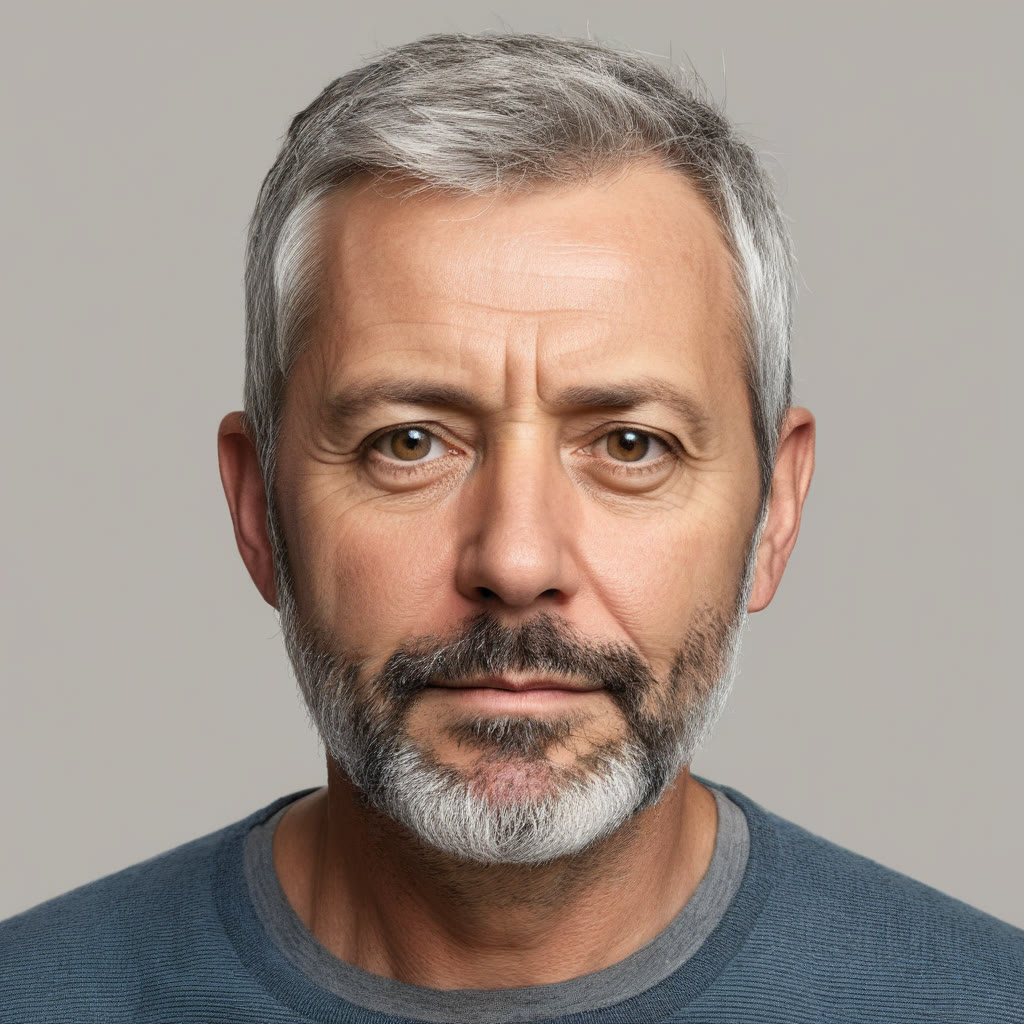
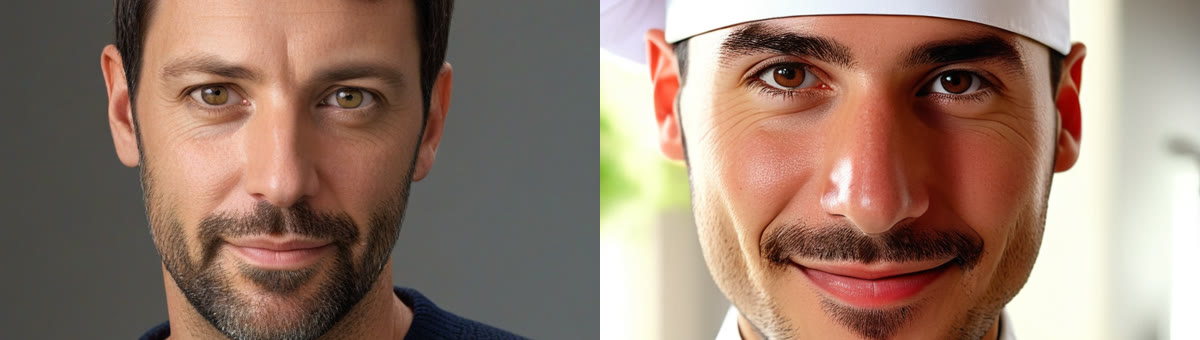
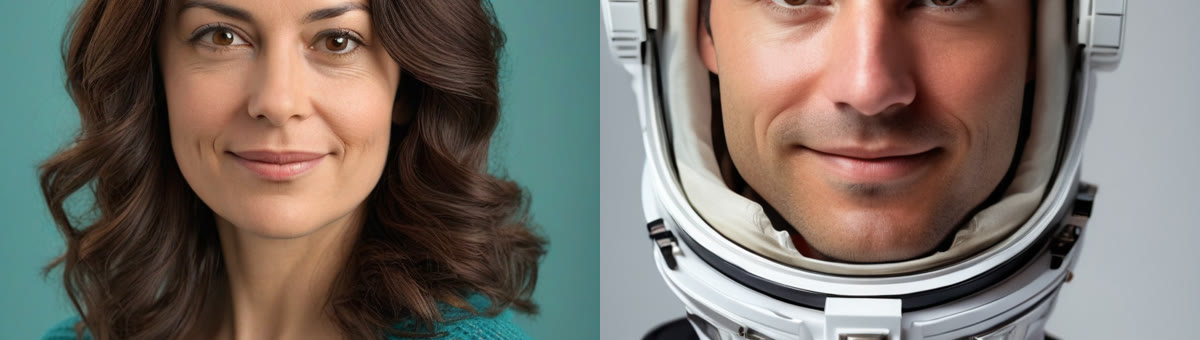
Reference portraits are generated demo characters (no real people). Times are measured on the development machine.
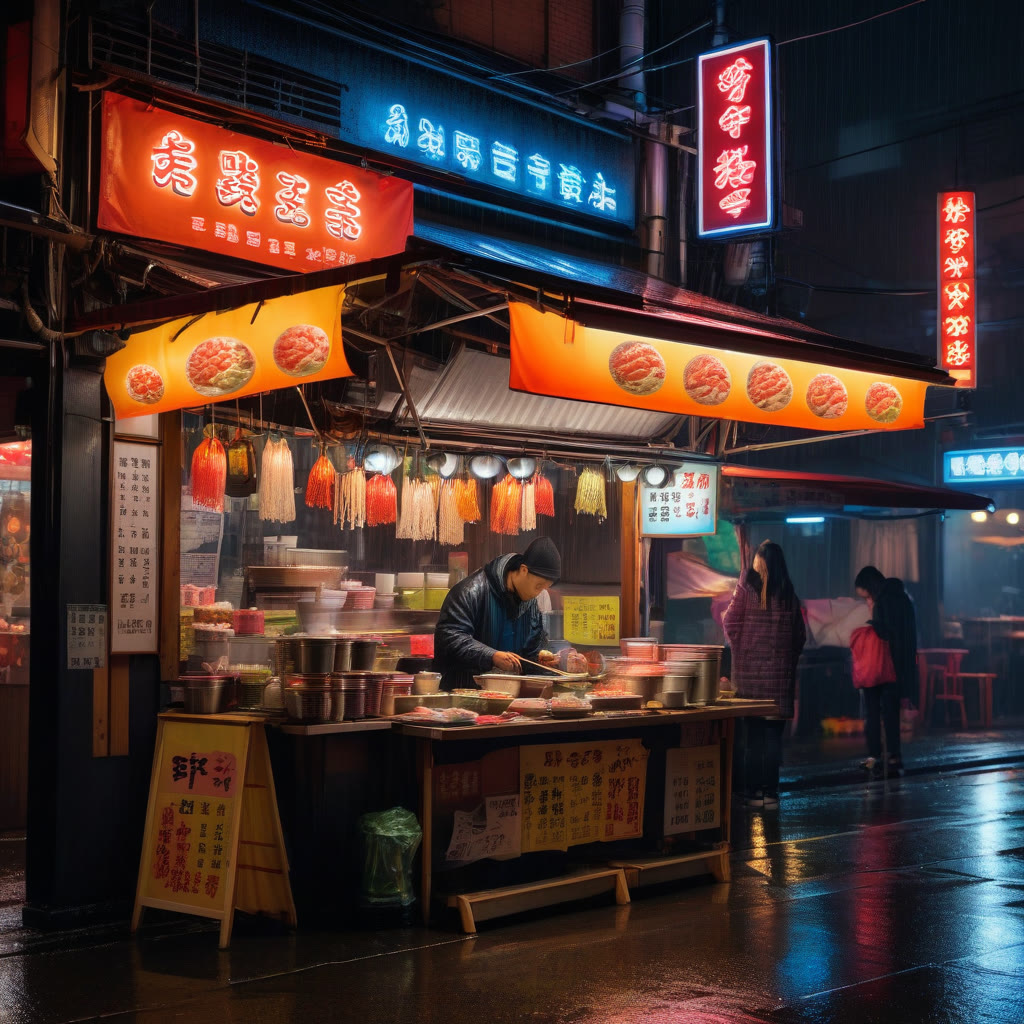
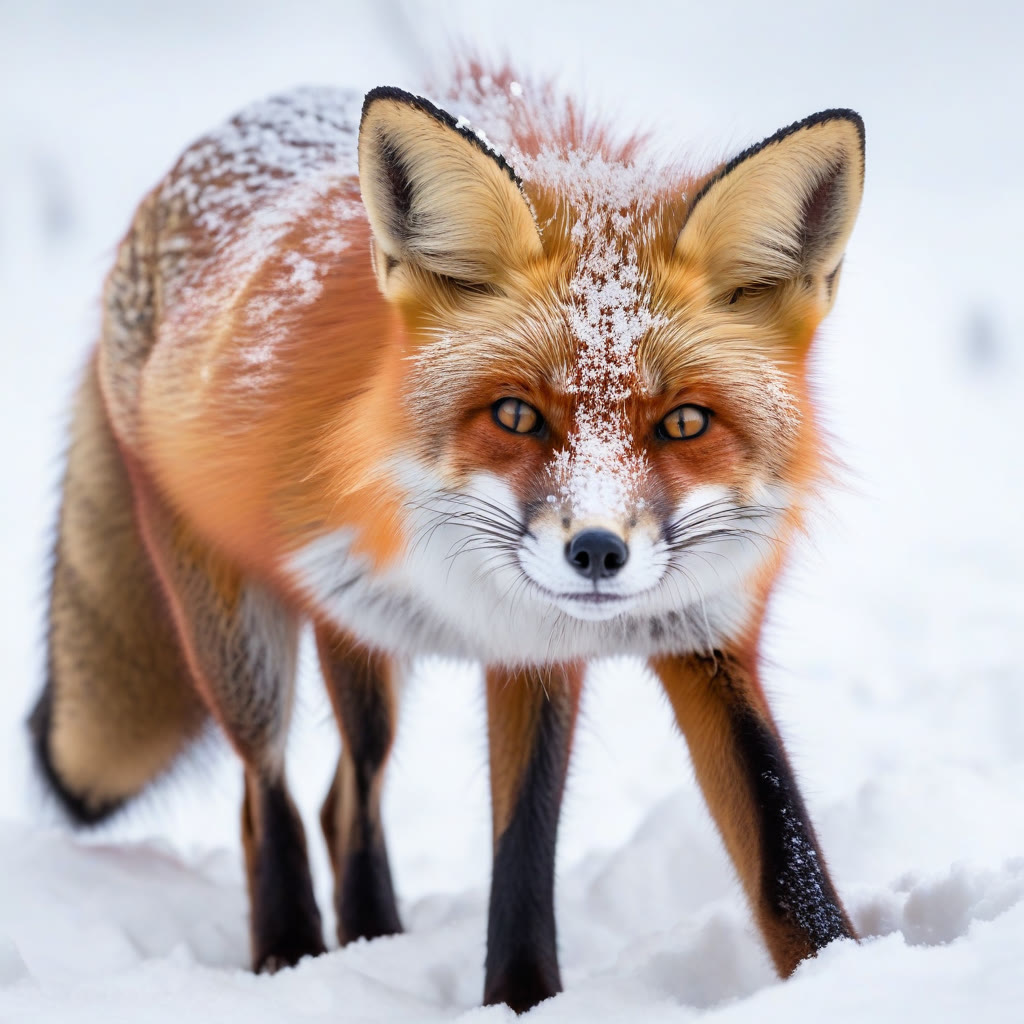
Pictures from words
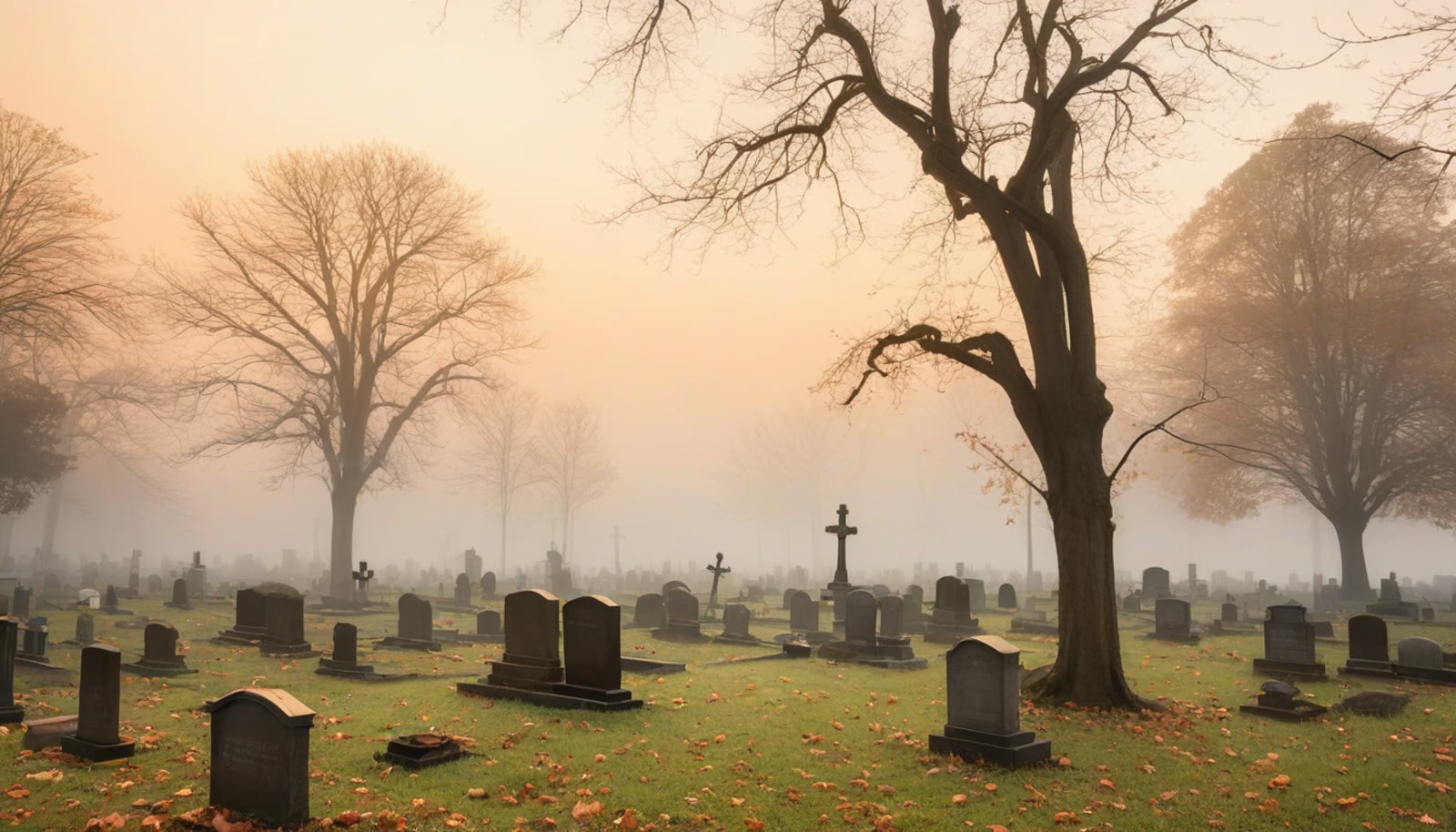
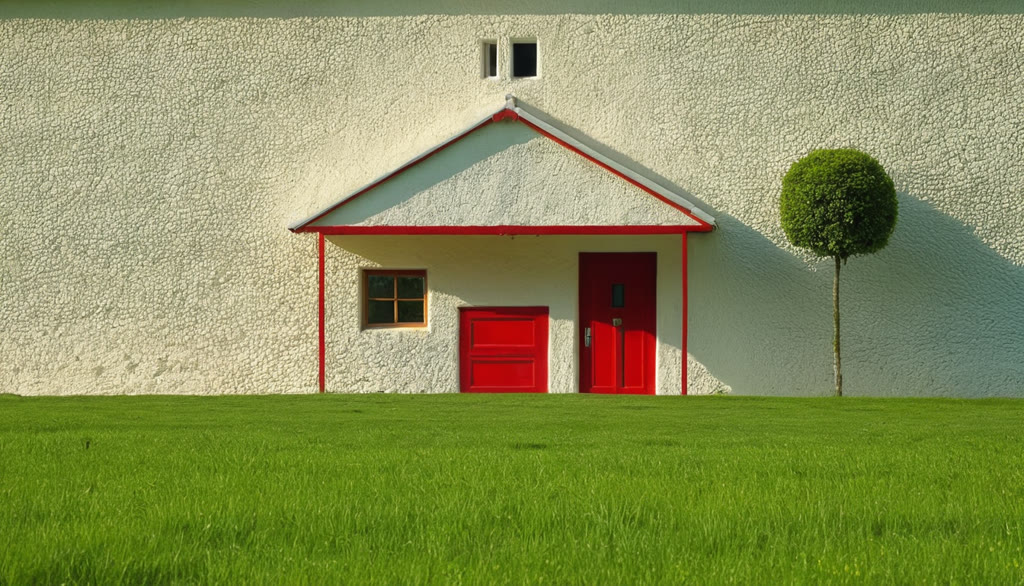
Generated from the sentence alone, on the same 12 GB card. All characters are fictional.

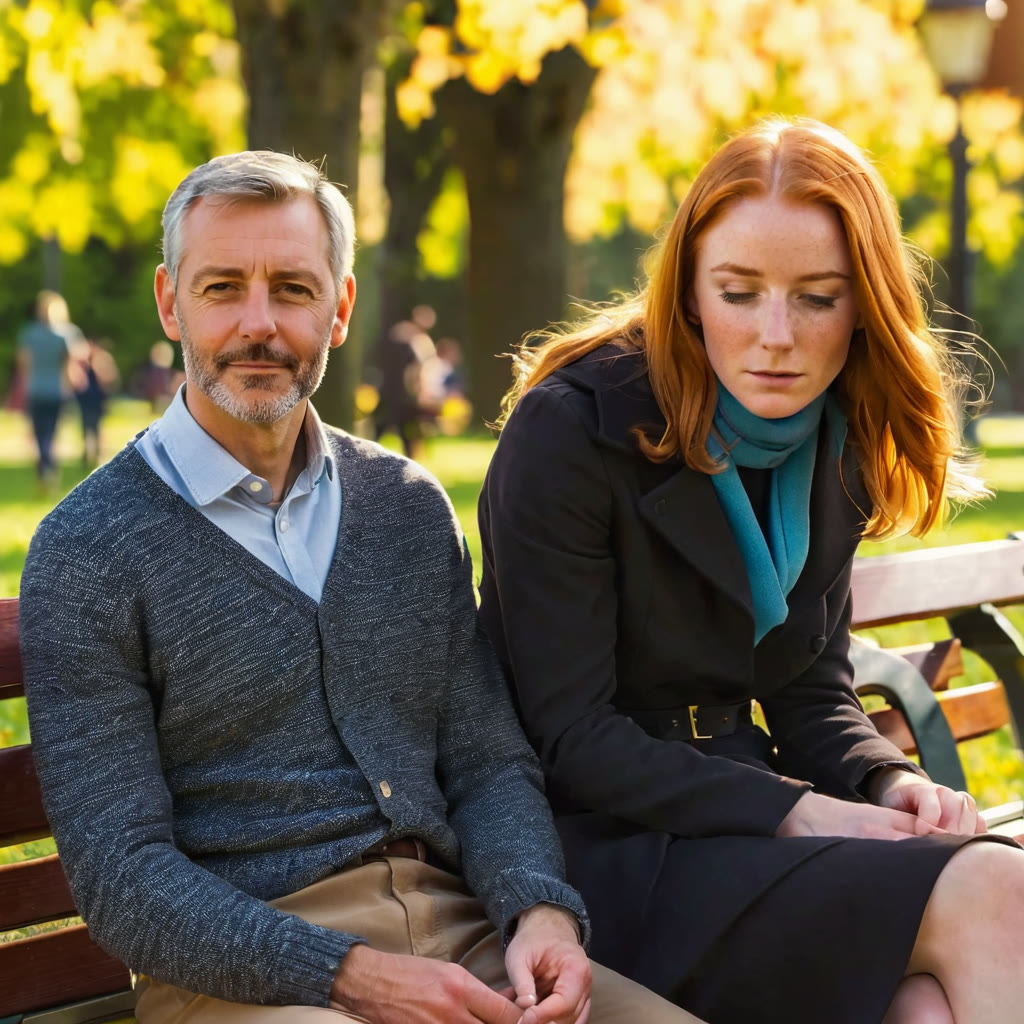
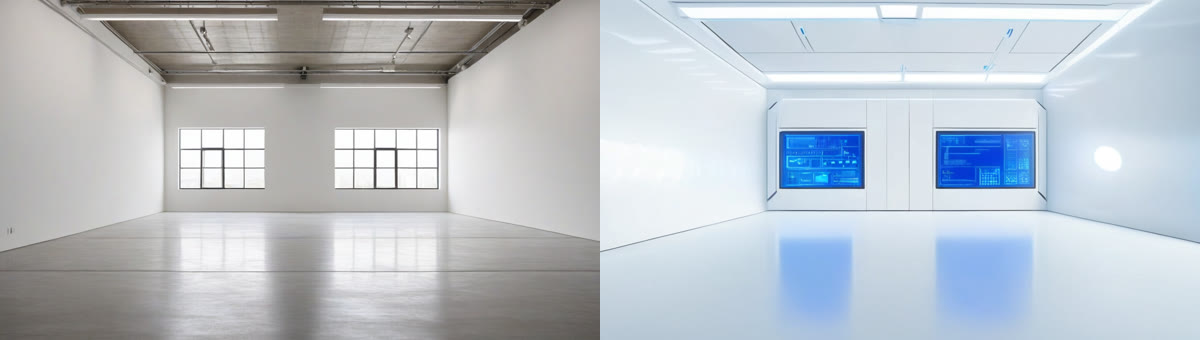
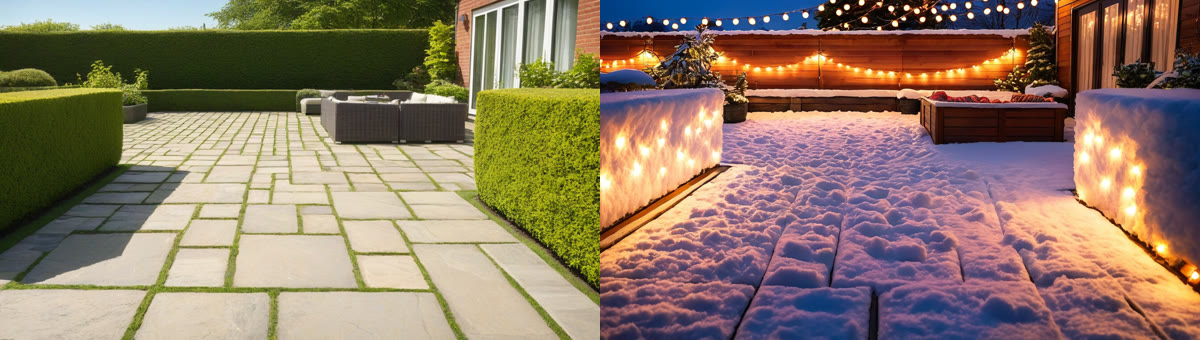
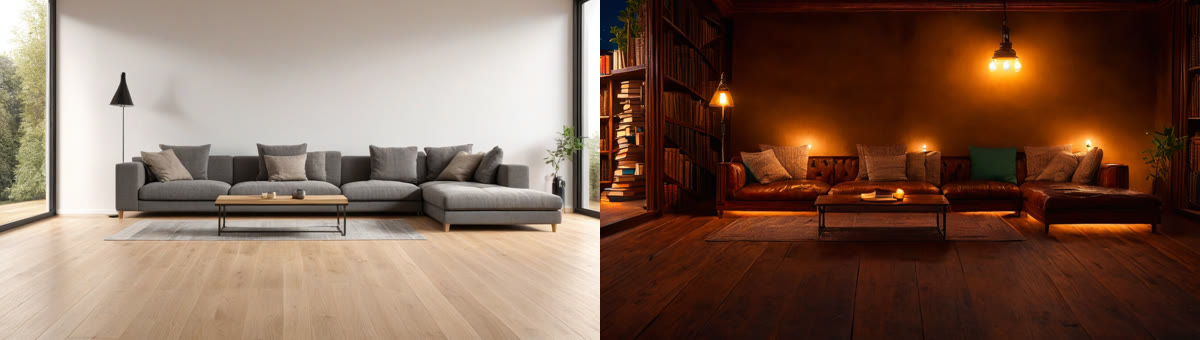
Guided by a photo you already have
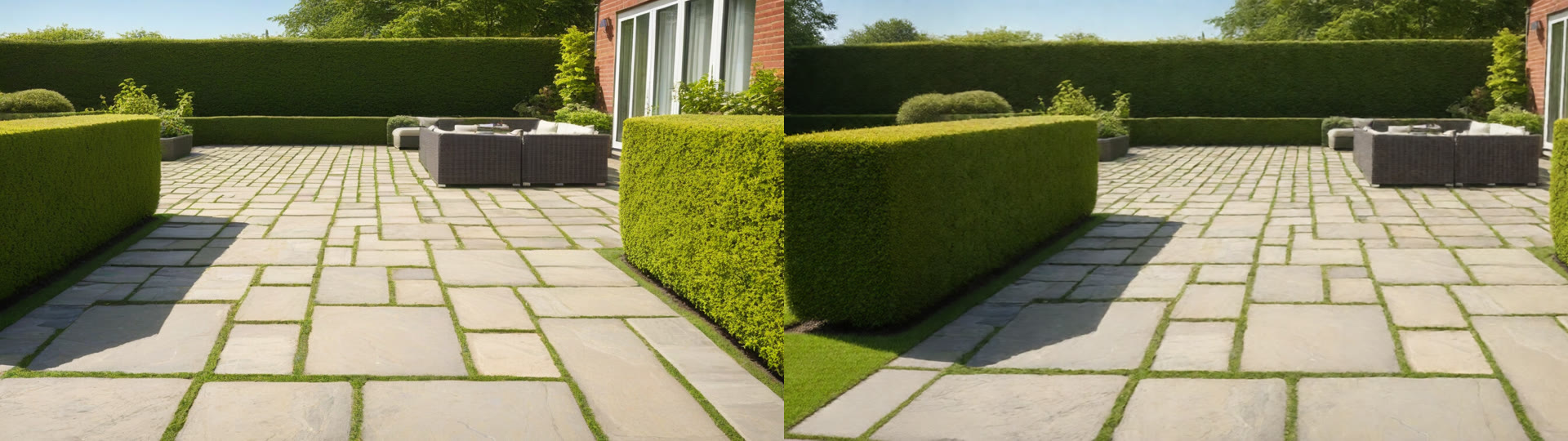
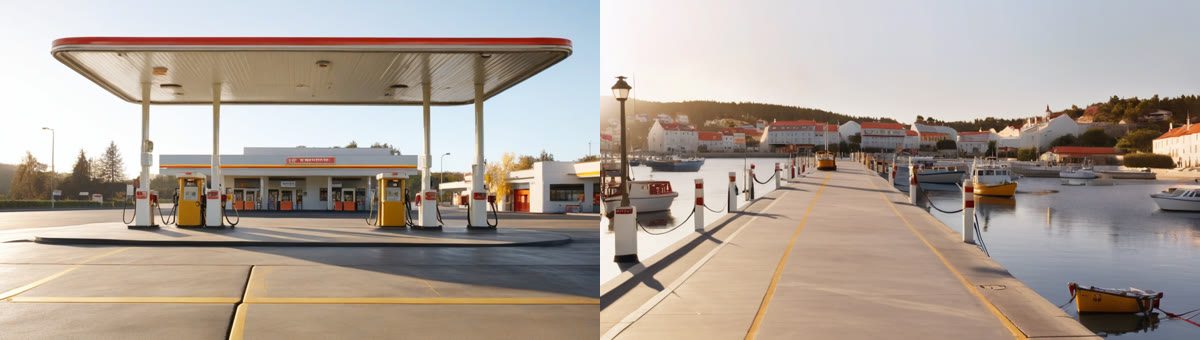
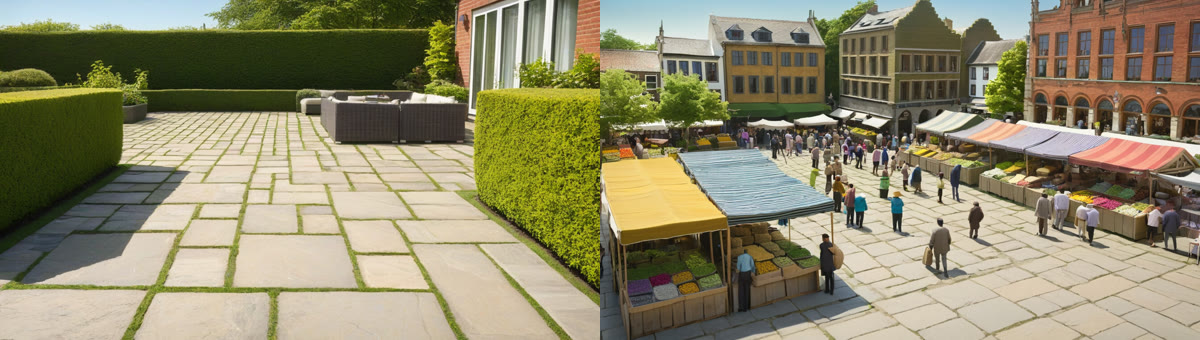
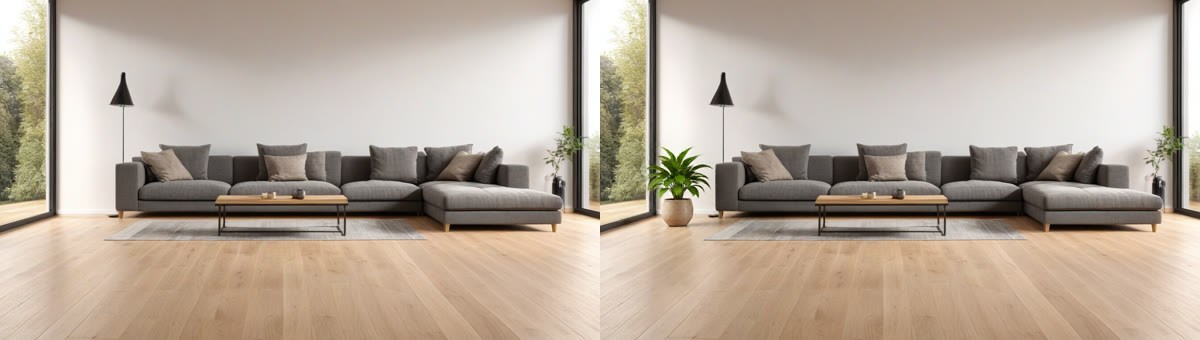
The left image is the input; the right is the result. Depth guidance keeps the room or garden layout and changes everything else; pose guidance keeps the body position; style guidance borrows the look of one photo for a new subject.
More edits, video and sound
Held back because they did not meet the bar yet: whole-scene animation (it invents people and animals), text-to-video clips (too little motion or not what was asked), relighting and style transfer on some photos, and pasted objects that float or show seams.
From a sentence to a checked result
What works, measured on an RTX 3060
| Feature | Status | Typical time |
|---|---|---|
| Pictures from words | ready | under a minute |
| Add your own object to a photo, scaled, grounded and light-matched | ready | about a minute |
| Remove or replace things in a photo | ready | under 2 minutes |
| Cut out a background | ready | seconds |
| Add something described in words · relight a photo · extend a photo · restore or upscale | beta | seconds to 2 minutes |
| Music clips (instrumental, 20 s) | beta | under a minute |
| Camera move across a photo (video) | beta | 6 to 10 minutes per 5 s |
| Lip-sync, talking photo, style/pose/depth guidance, consistent faces | experimental | 2 to 20+ minutes |
Status labels are the project's own test verdicts on real photos; experimental features stay switched off until the user asks for them.
Built to be trusted
Local and private
Photos stay on the user's machine unless they choose to connect an outside AI service. No accounts, no per-image fees, no upload of personal pictures.
Hardware-aware
Every feature is gated by what the user's graphics card and memory can actually run, and the page predicts the wait from the user's own past jobs.
Quality gates
Each finished image is checked automatically (blank, black, clipped, wrong size) before it is shown, and the verdict travels with the result.
Licence-honest
Every template carries a licence tier. A commercial-only mode refuses anything with non-commercial terms, so businesses can use it safely.
No bundled assets
Plainbrush ships no model weights and no third-party assets. Users link their own libraries read-only; nothing is used for training.
Tested like a product
818 automated tests (all passing on 17 Nov 2026), a feature contract with ask-or-assume rules, and benchmarks against the best public community workflows.
What it does now, and what comes next
Available now
- Pictures from words, fast or quality mode, aspect presets, variations
- Remove, replace or add things in a photo by describing them
- Paste your own object into a photo, scaled, grounded and light-matched
- Extend a photo beyond its edges
- Cut out a background
- Restore and upscale old or small photos
- Relight a photo from a named direction (beta)
- The same person or two people across new scenes
- Style, pose, depth and sketch guidance
- Camera moves across a photo as video; scene and face animation (beta)
- Instrumental music clips; lip-sync and talking photos (experimental)
- Prompt from an image, request preview, searchable and tagged job history with deletion, asset library
- Template check before any GPU time is spent; licence tier on every feature; commercial-only mode
- First-run Models & licences check naming each template's exact model files, licence tier and availability
In QA
- JSON API with key protection
Planned
- Installers for Windows, Linux and macOS
- Commercially clean lip-sync and face identity; MuseTalk still needs dependency remediation and licence review
- Signed Windows installer and winget package; ComfyUI Desktop and portable layouts
- Verified behaviour on more graphics cards (8 to 24 GB)
- Photo and text to 3D models (TRELLIS.2 research done; viewer already built)
- Colour grading, trimming and joining clips, audio and voice, mesh clean-up, all as ComfyUI templates
- Multi-subject animation from the prompt box
- Optional adapters for Blender and, later, Unreal Engine
- Not planned: cloud hosting or team seats. Plainbrush stays local and single-user by design.
Where Plainbrush sits
| Group | Examples | Strength | Gap Plainbrush fills |
|---|---|---|---|
| Local engines | ComfyUI, InvokeAI, SwarmUI, Forge | Free, private, the strongest open models | Expert tools: graphs, checkpoints and settings to learn |
| Hosted engines | Comfy Cloud, RunComfy | No setup | Paid per use; photos leave the user's machine |
| Cloud creative suites | Runway, Firefly, Leonardo, Krea, OpenArt, Luma, Pika, Kling, Ideogram, Canva | Polished, broad features | Monthly fees, uploads, opaque models and licences |
| Plainbrush | local front end on ComfyUI | Plain words, local, hardware-aware, licence-honest, checked results | Breadth still growing; video and lip-sync are early |
Competitor grouping from the project's own market research (28 Sep 2026); features and prices of other products change often.
Eight weeks of building
On the development machine Plainbrush has run 545 jobs, 427 of them successful (78%), across 30 different workflows. None of the 118 failed jobs produced an image: they stopped with an error or a deliberate safety refusal (for example, not enough free graphics memory, or an experimental feature still switched off).
Roadmap
shipping Natural-language front end for ComfyUI with 14 features, quality gates, licence tiers, a demo asset pack, Windows and Linux installers.
goal Fix the first Commercial Studio Image Pack scope and licence manifest by 20 Nov; start the store MVP on 23 Nov; continue published GPU-tier benchmarks.
release target Public beta, first verified paid pack and store MVP live together, with a real purchase/download/update test and a checksummed package on the Builds page.
goal Every feature offered only where the user's card can run it, backed by the benchmarks; a Blender adapter for 3D cleanup and turntables; Unreal Engine later as an optional pro adapter, built on the separate UnrealEngineAI project.
goal Applications prepared for the Mozilla Human-Scale AI Incubator (closes 20 Nov), Prototype Fund (30 Nov) and NVIDIA Inception, each decided and submitted by the founder.
direction Free MIT core, with paid template and model packs, a bundle for studios, and a membership for new packs. Prices are proposals, not market data yet.
One release pipeline, one December gate
First pack
The Commercial Studio Image Pack is scoped by 20 Nov and verified by 4 Dec. It will include licence-checked image workflows, hardware profiles, real example outputs, documentation and acceptance tests. Unresolved face identity and lip-sync dependencies stay out.
Store MVP
Work starts 23 Nov after the SKU and licence manifest are fixed: product page, checkout, secure downloads, purchase records, versioned updates, customer licence terms, refunds and support.
Production pipeline
Research and official licence evidence → product selection → visual workflow spec → strict-TDD implementation → independent output, security, install and licence QA → GPU benchmarks → versioned, checksummed release.
Release gate
The goal closes only after a real purchase, clean install, download and update pass; the verified artifact and instructions appear on the Builds page; and Momentum records the release.
Honest status
Product
Working daily on a home lab. Experimental features still have visible flaws (soft lip-sync, face drift in talking photos), and are labelled as such.
Name and company
The public site is plainbrush.io. A trademark filing, publisher name and company setup are still to do.
Licences
Several popular face and lip-sync models forbid commercial use. Those features stay off in commercial mode until clean substitutes are wired in.
How it is built
Most of the code is written by AI agents (Claude and a Hermes agent) directed by the founder, and the README says so openly. Some grant programmes exclude AI-generated work, so funding is aimed at investors and programmes that accept it.
GPU benchmarks
The same ComfyUI jobs timed on each graphics card we test, stock and, where a tensor-core unlock exists, unlocked. First up: the RTX 3060 12 GB that runs Plainbrush today, where the unlock made SDXL images 49% faster (20.6 s to 13.9 s). See the benchmarks.
What support would do
Use of funds
- Commercially clean model substitutes and the template packs that make the paid tier.
- Test hardware across graphics-card tiers (8 to 24 GB) so every user gets the features their machine can run.
- Company setup, trademark, legal review of model licences before the first sale.
- The adapter layer for Blender and video editing.
Routes being prepared
- Angel and pre-seed conversations, using this page and the live demo.
- NVIDIA Inception and cloud startup credit programmes.
- Early revenue from template packs before raising further.
Programme terms are re-verified on official pages before anything is submitted.